Nourishing Change in Tanzania: Behind the Lens
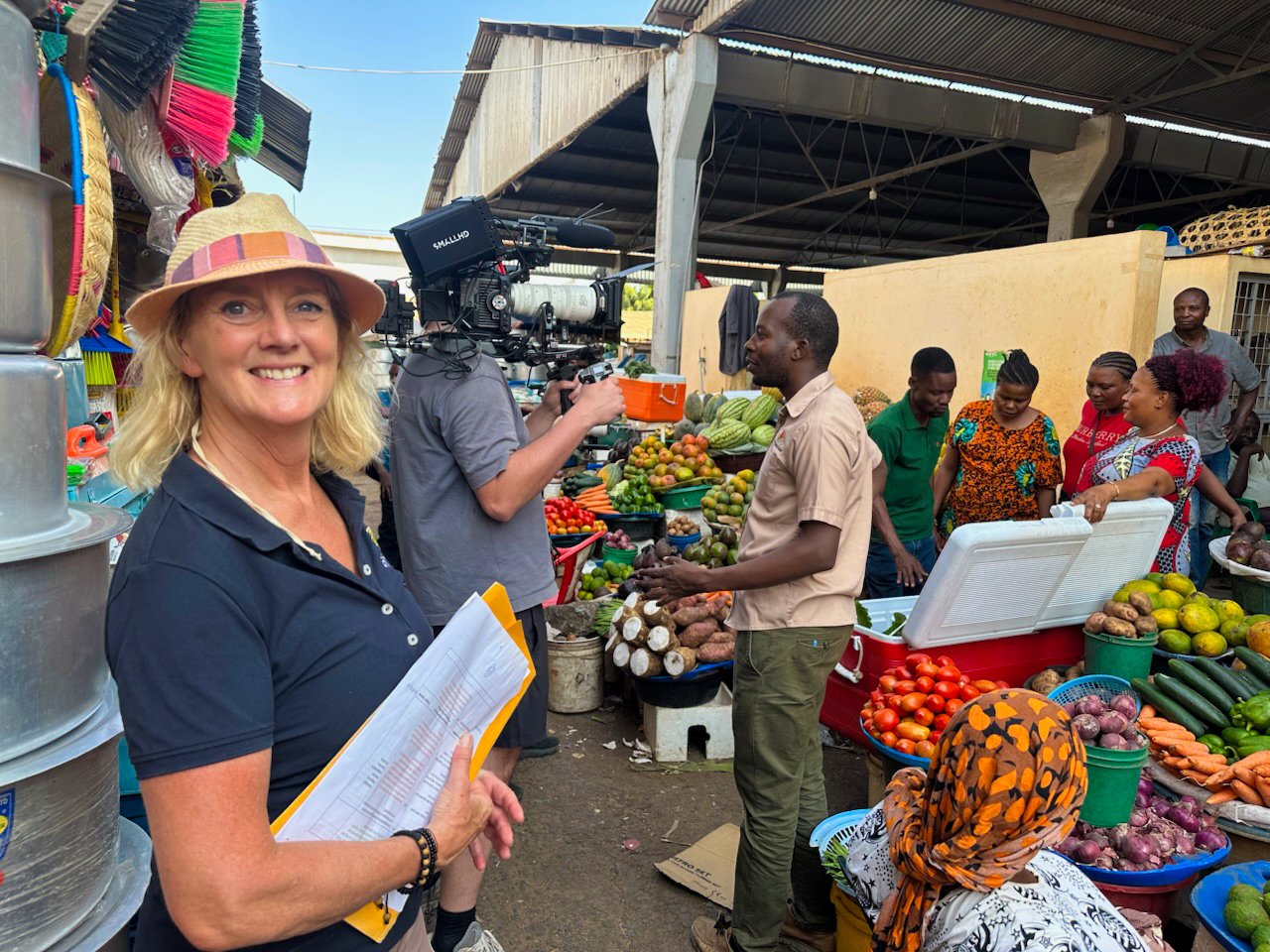
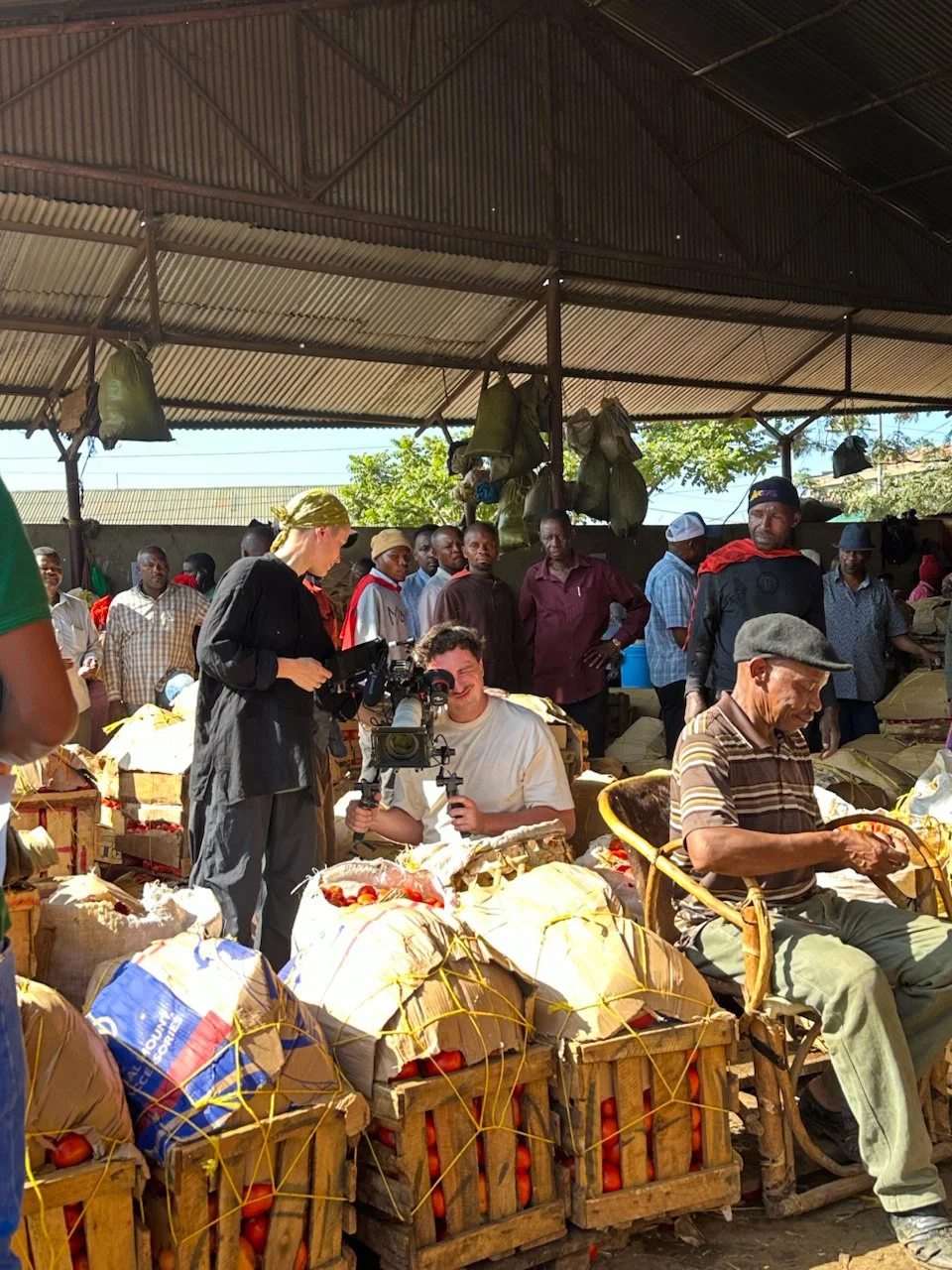
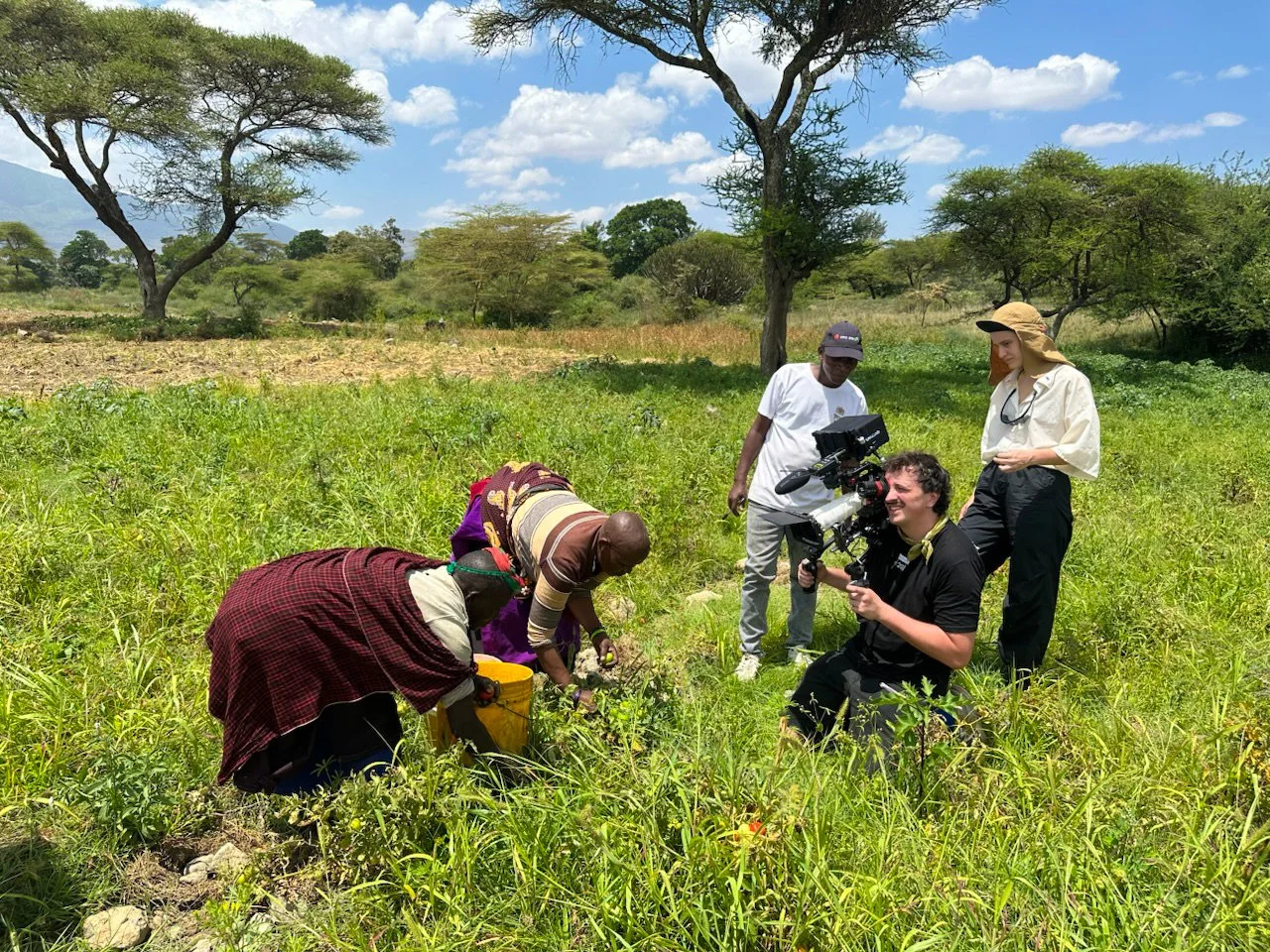
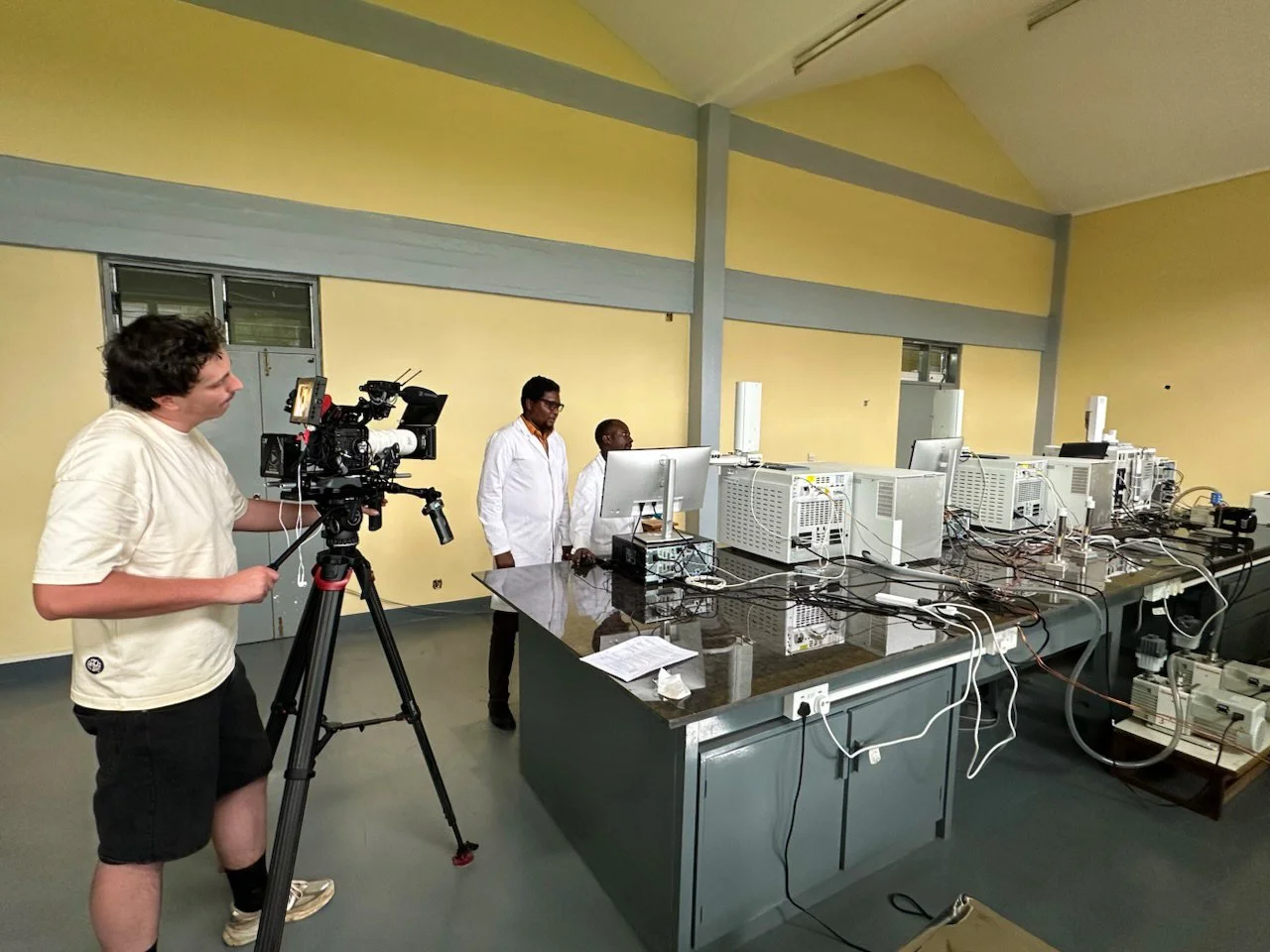
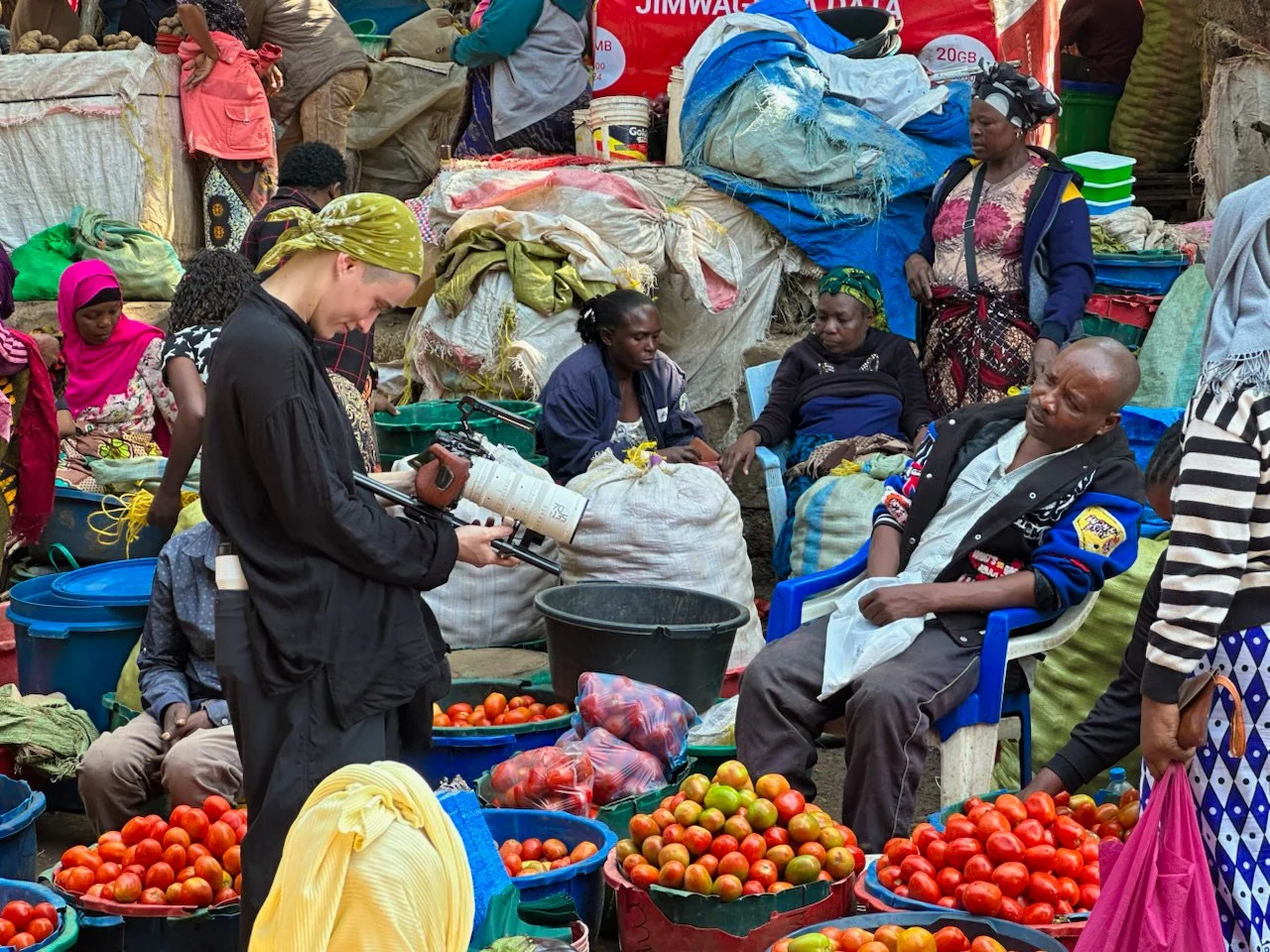
Last week, AHR’s Dr Jenny Ekman was on the ground in Tanzania, for the filming of two short documentaries for the Better Diets and Nutrition project.
The Better Diets and Nutrition project is an initiative that aims to use an end-to-end approach to increase fruit and vegetable intake and in turn improve diet quality, nutrition and health outcomes for people in low and middle-income countries. The program aims to tackle major barriers to desirability, accessibility, affordability, and availability of safe nutrient-dense fruit and vegetables. AHR’s research team is working in partnership with the World Vegetable Center and the University of Wageningen to improve food safety and reduce supply chain losses in the Arusha region of Tanzania.
The first of the films focuses on practical supply chain innovations, including evaporative cooling, the use of cool boxes at markets, improved packing strategies and use of plastic crates. These improvements are already showing promising impacts on the handling and storage of vegetables.
The second documentary will examine the results of food safety trials aimed at reducing pesticide use and microbial contamination. Early findings indicate that pesticide detections are significantly reduced when farmers are trained in proper pesticide application. Moreover, use of drip irrigation by the trained farmers reduces the risk of microbial contamination. Together, these results demonstrate the effectiveness of the training and highlight the tangible benefits for both farmers and consumers, which the documentary aims to explore in detail.
Learn how the research team is making a difference, with both documentaries scheduled to publish in March this year.
We would like to thank all funders who support this research through their contributions to the CGIAR Trust Fund.