

Research trials underway at Apex Greenhouses
A growing program of research and demonstration trials is now underway at Apex Greenhouses, testing crop varieties, production systems and emerging technologies for Australian protected cropping.
As part of Hort Innovation’s Frontiers program, Growing horticulture through protected cropping innovation, managed by Applied Horticultural Research (AHR), Apex Greenhouses provides researchers and industry partners with a commercial-scale environment to tackle production challenges, evaluate new varieties and technologies, and generate practical data for growers.
Strawberry and cucumber trials are already underway, with further projects focused on greenhouse tomatoes and leafy greens planned over the coming year, expanding the range of crops and technologies being evaluated at Apex.
Strawberry production under glass
One of the largest trials at Apex is testing the performance of three strawberry varieties under commercial greenhouse conditions.
Although strawberries are widely grown throughout Australia, greenhouse production presents a very different growing environment to open-field production. Differences in temperature, humidity, irrigation management and crop architecture mean that varieties developed for outdoor systems do not always perform well under protected cropping.
For this reason, selecting suitable genetics is one of the most important decisions growers can make when establishing a greenhouse strawberry enterprise.
The current trial has been established to compare the three varieties across a range of production and quality characteristics. Researchers will assess total and marketable yield, fruit quality, flavour characteristics and resistance to powdery mildew, while also monitoring general crop performance throughout the production cycle.
Although the trial is still in progress, several interesting trends have already emerged.
Researchers have observed substantial differences between the three varieties, particularly in terms of productivity, susceptibility to powdery mildew and fruit flavour. These early observations reinforce an important point for greenhouse producers, that varieties successful in outdoor production cannot automatically be expected to perform well under protected cropping conditions.
Once harvesting has concluded, researchers will compare final production figures across all three varieties to determine which performed most consistently under the conditions experienced throughout the season. The production data will also provide a valuable benchmark for refining future greenhouse strawberry production systems.
Researchers are also trialling a multi-gutter growing system designed specifically for greenhouse strawberry production. The system is being assessed for its suitability within Australian protected cropping businesses and will provide valuable information on crop management, plant performance and operational efficiency.
Another important component of the strawberry program is a pollination trial.
Beestar is trialling its digital hive monitoring technology to better understand honey bee activity and colony performance during strawberry pollination in a glasshouse environment. By providing real-time insights from inside the hive, Beestar is exploring how hive data can give growers and researchers greater visibility into bee health, activity and pollination performance, and how these insights relate to crop outcomes.
The longer-term goal is to make pollination more measurable and data-driven, giving protected cropping growers greater confidence that the bees placed in their glasshouses are healthy, active and effectively supporting their strawberry crop.
High-tech tomato and cucumber demonstration platform
Alongside its strawberry program, Apex Greenhouses is hosting a cucumber variety trial with Bayer Crop Science’s De Ruiter and Seminis protected cropping divisions.
A training and demonstration platform will be further developed over the coming year and, following the completion of the cucumber trial, will showcase next-generation greenhouse tomato genetics, including ToBRFV-resistant varieties and rootstocks under Australian commercial greenhouse conditions.
The program will evaluate yield, fruit quality, plant balance and labour efficiency, while generating independent data to help growers assess emerging genetics and production strategies.
Importantly, it will also provide a practical training and demonstration space, with grower tours, demonstration days and technical workshops planned in collaboration with Protected Cropping Australia and Hort Innovation’s Greenhouse Future Farming initiative.
Future partnerships could also bring sensor technology, AI crop monitoring and robotics into the greenhouse.
“Growers need to be able to see new genetics and technologies working in real Australian greenhouse conditions before making significant commercial investments,” CEO of Apex Greenhouses Folco Faber said.
“Apex gives us an opportunity to bring those technologies together, generate independent data and put the results directly in front of growers.
“That combination of research, demonstration and industry engagement is what will help turn promising innovations into practical solutions for Australian protected cropping.”
Future leafy greens research
The research program at Apex Greenhouses will expand in 2027 with the introduction of a dedicated leafy greens demonstration facility.
One of the first proposed projects will compare advanced aeroponic production with conventional hydroponic systems for commercial leafy greenproduction. Proposed by HT Verboom in collaboration with LettUsGrow, the trial will investigate some of the key challenges facing controlled environment leafy green production. Researchers will assess growth rate, total yield, root health, crop quality and postharvest performance across multiple production cycles using commercially important spinach varieties. Particular focus will be placed on root health, resilience to pathogens and shelf life, helping determine whether aeroponic systems can deliver meaningful productivity and quality advantages over conventional hydroponics.
“This trial will see us testing systems for leafy greens that are not yet used in Australian commercial greenhouse facilities,” said Folco Faber.
“High tech leafy greens is a segment of the market that is in its infancy in Australia, and the results of this demonstration should provide valuable data to commercial growers looking to invest in this space.”
The new leafy greens facility will broaden the scope of Apex Greenhouses and create further opportunities for researchers and technology providers to test production systems relevant to another important sector of Australia’s protected cropping industry.
“Protected cropping is a significant investment, so having reliable Australian data can give growers greater confidence when considering new varieties and technologies,” Program Leader Anita Chennell (AHR) said.
“A key part of what we’re doing at Apex is capturing both the successes and the challenges. Knowing what doesn’t work can be just as valuable, helping growers avoid costly mistakes and make better-informed decisions.”
“Ultimately, we want Apex to be a place where researchers, commercial partners and growers can work together to test new ideas, build the evidence and identify the technologies that are ready to move into wider industry adoption.”
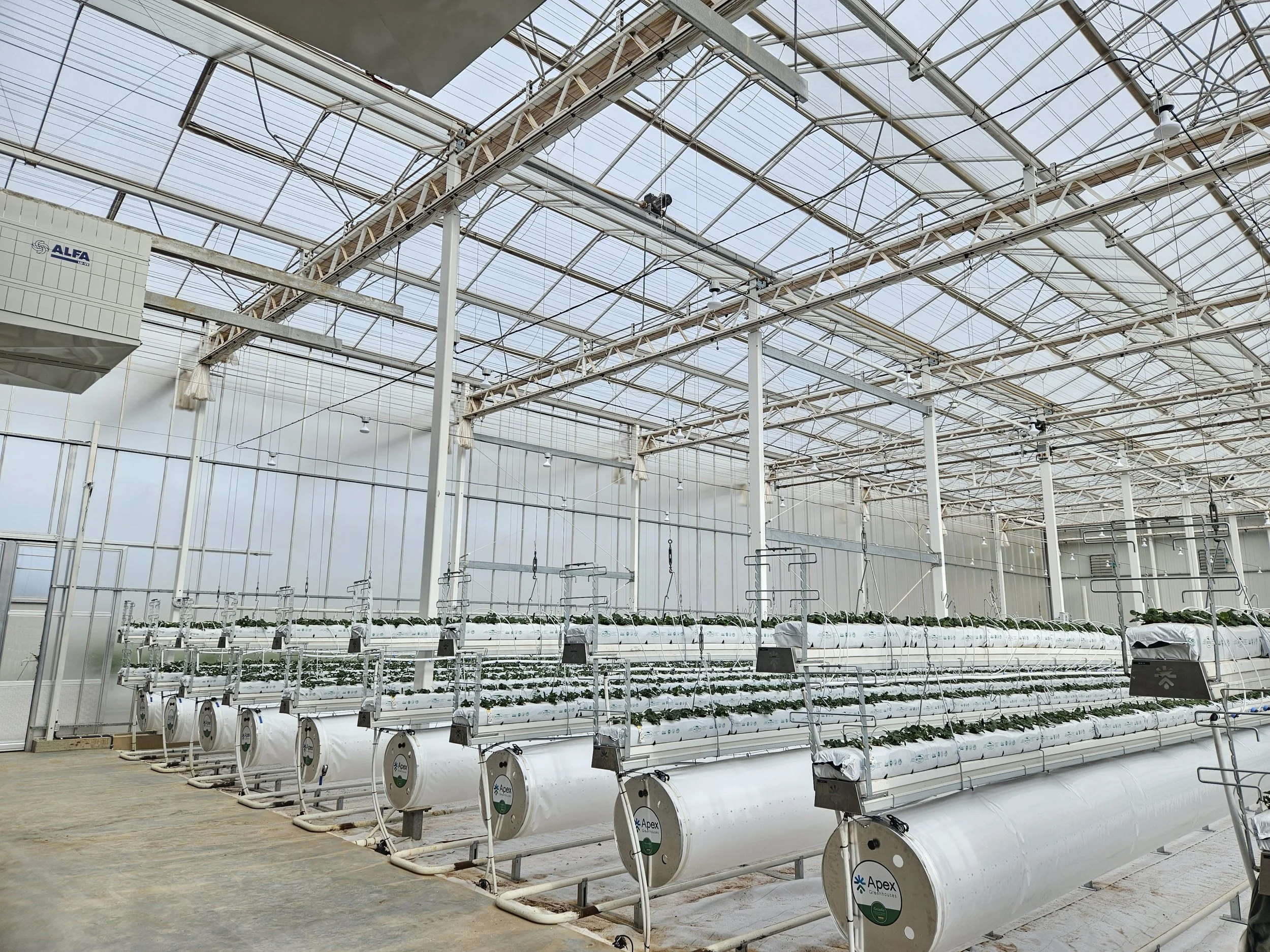
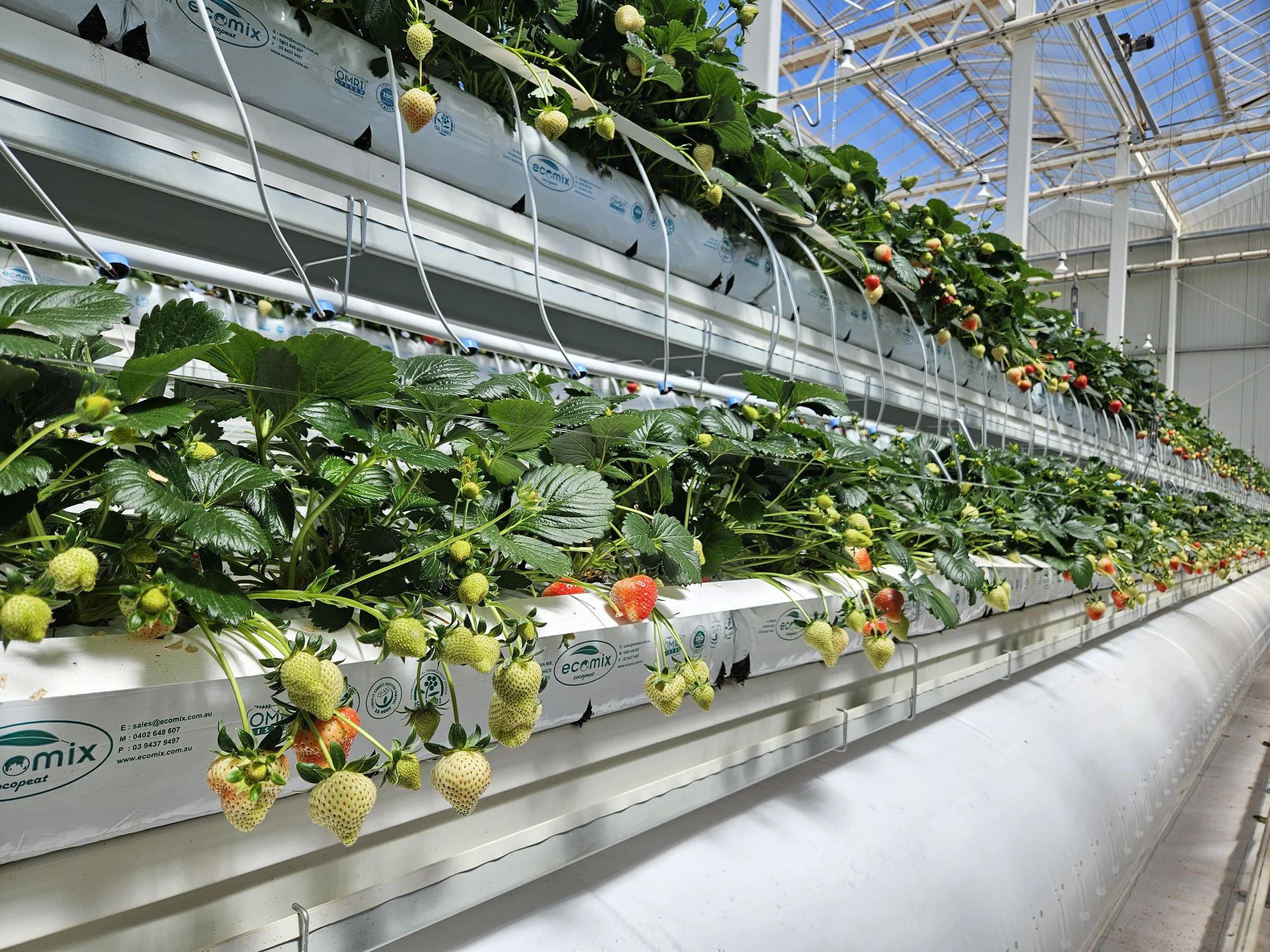
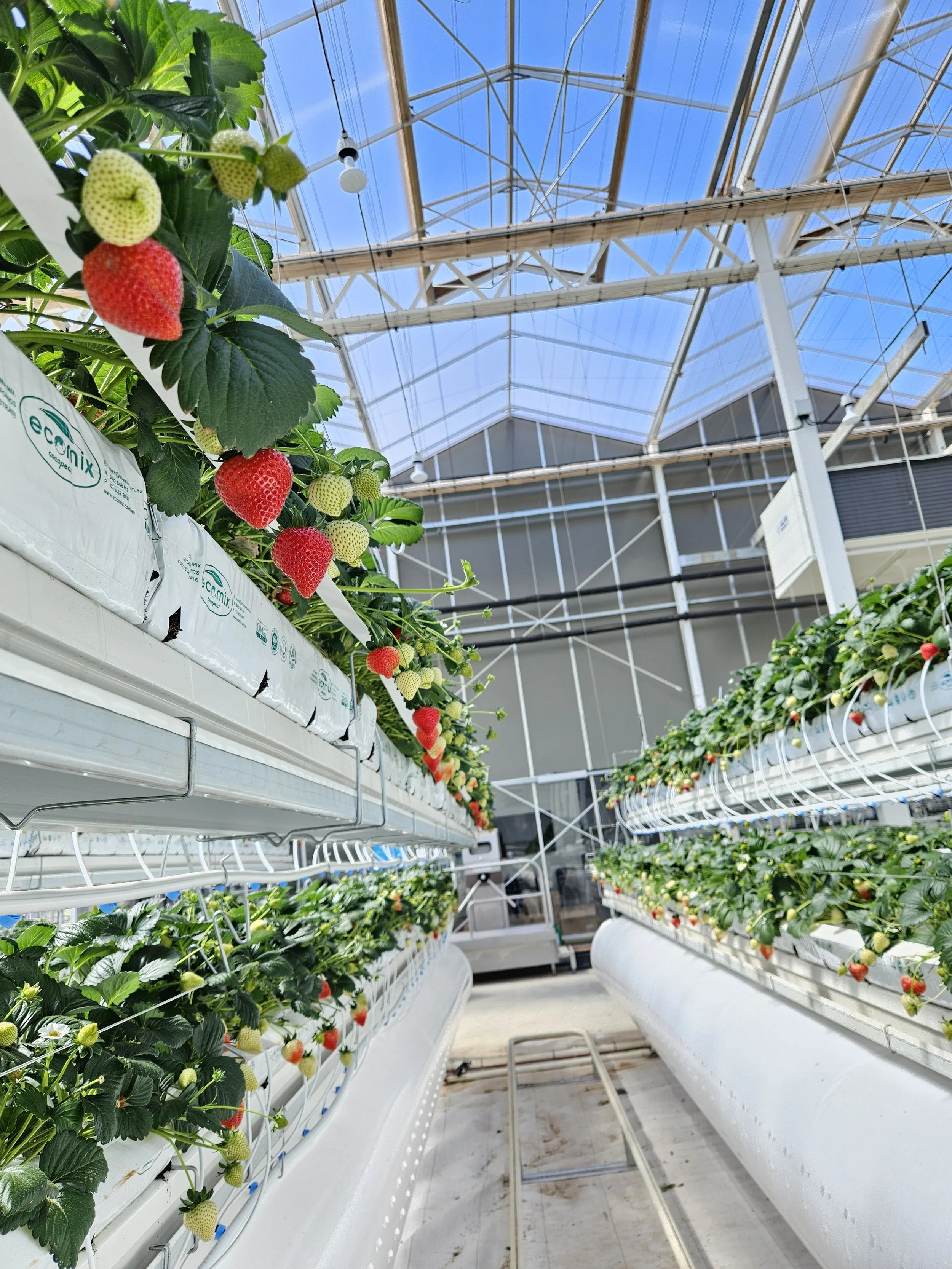
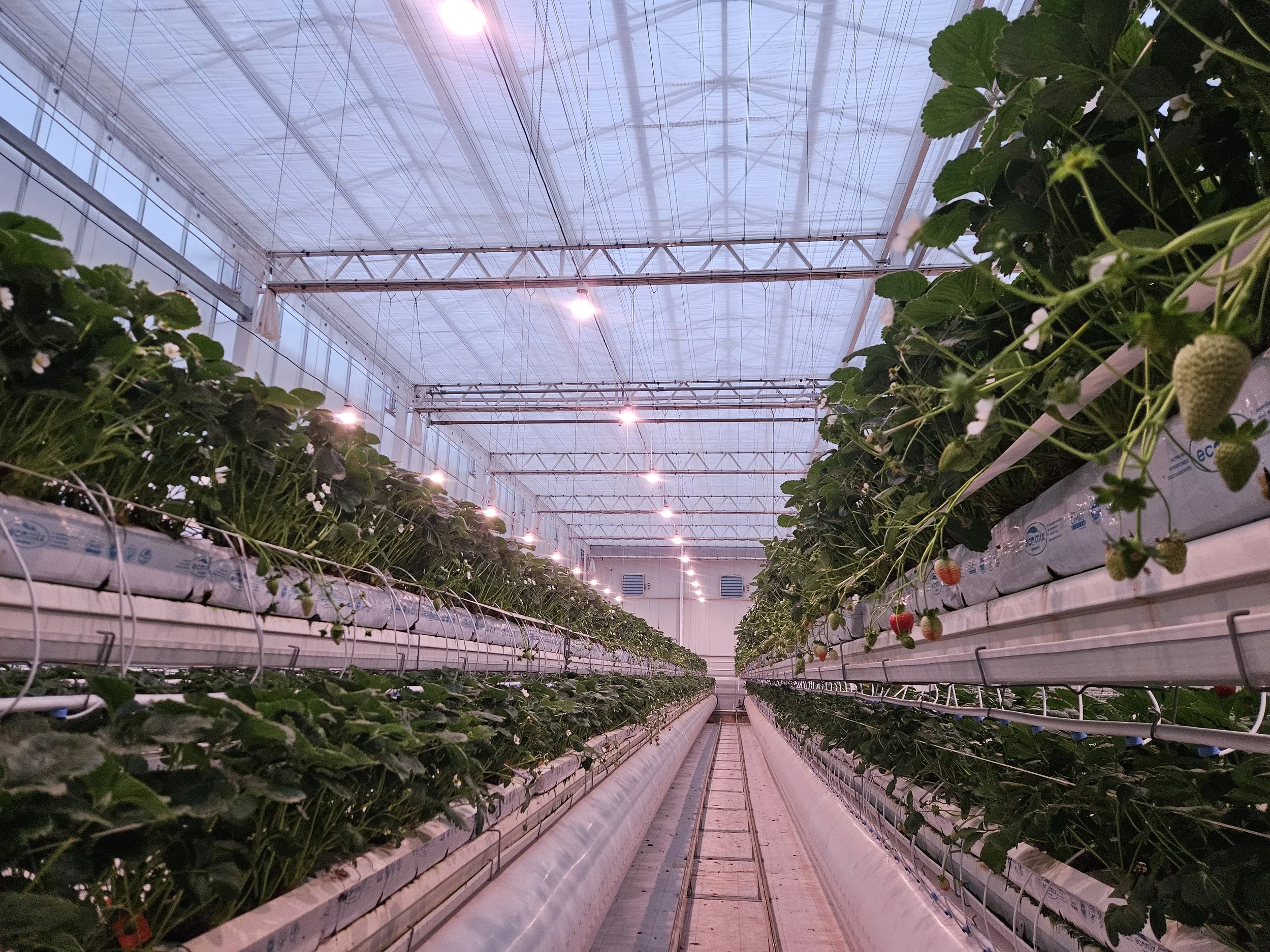
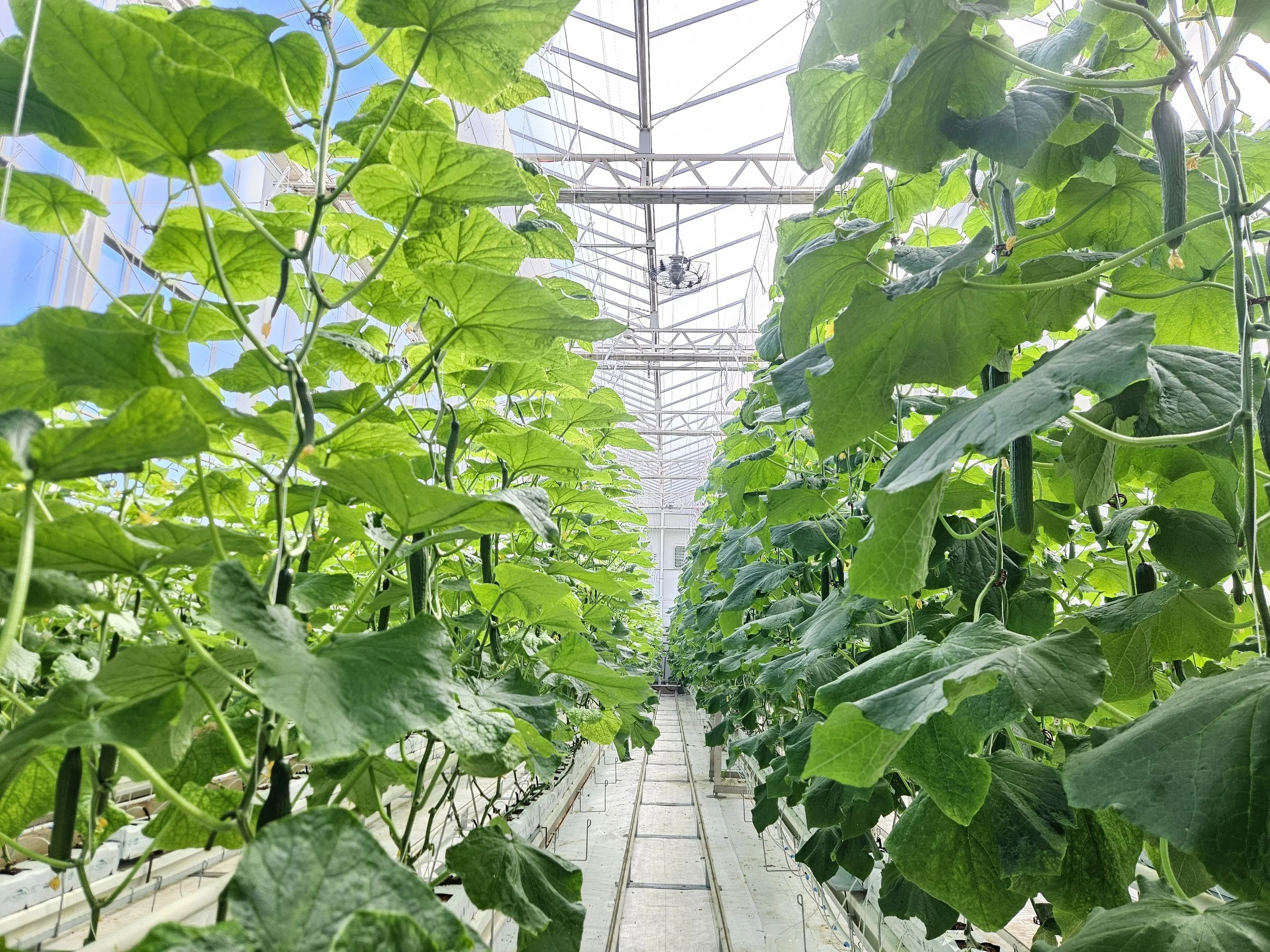
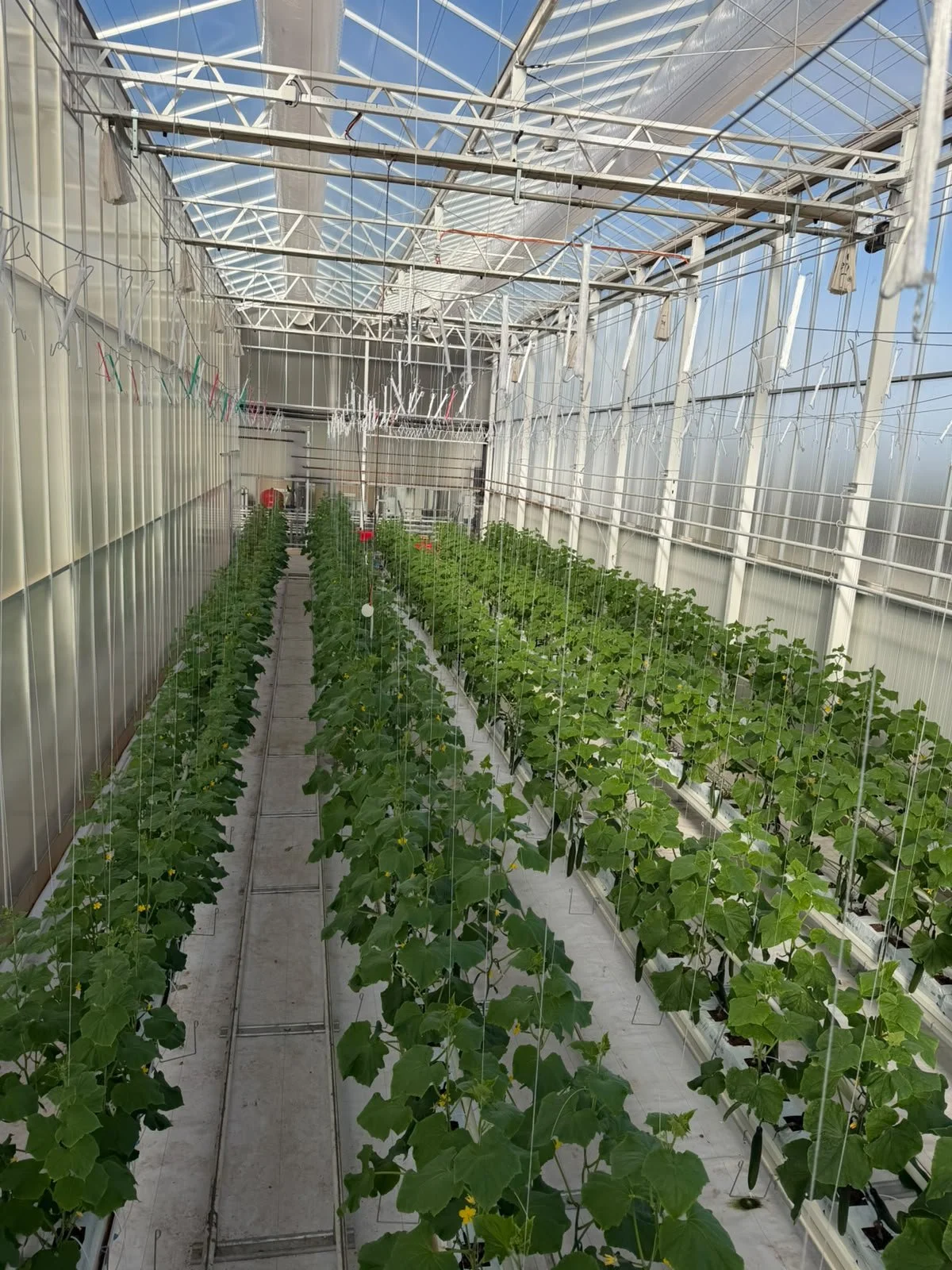
Photos of current trials courtesy of Apex Greenhouses