Taking food safety research to the public at Nane Nane
Dr Jenny Ekman was back in Tanzania in August, joining the World Vegetable Center team at Nane Nane, Tanzania’s major annual agricultural fair, to engage directly with the people at the heart of the country’s vegetable supply chains.
Much like Brisbane’s Ekka or Sydney’s Royal Easter show, Nane Nane is a major event on Tanzania’s agricultural calendar, bringing together farmers, agricultural professionals, students and the wider public. For the World Vegetable Center team, it is a valuable opportunity to demonstrate practical research, test new ideas, and gather feedback from visitors.
“We had a really diverse audience coming through the stand, so it was a great opportunity to demonstrate some of the work and have conversations with people about the issues they’re facing,” Jenny said.
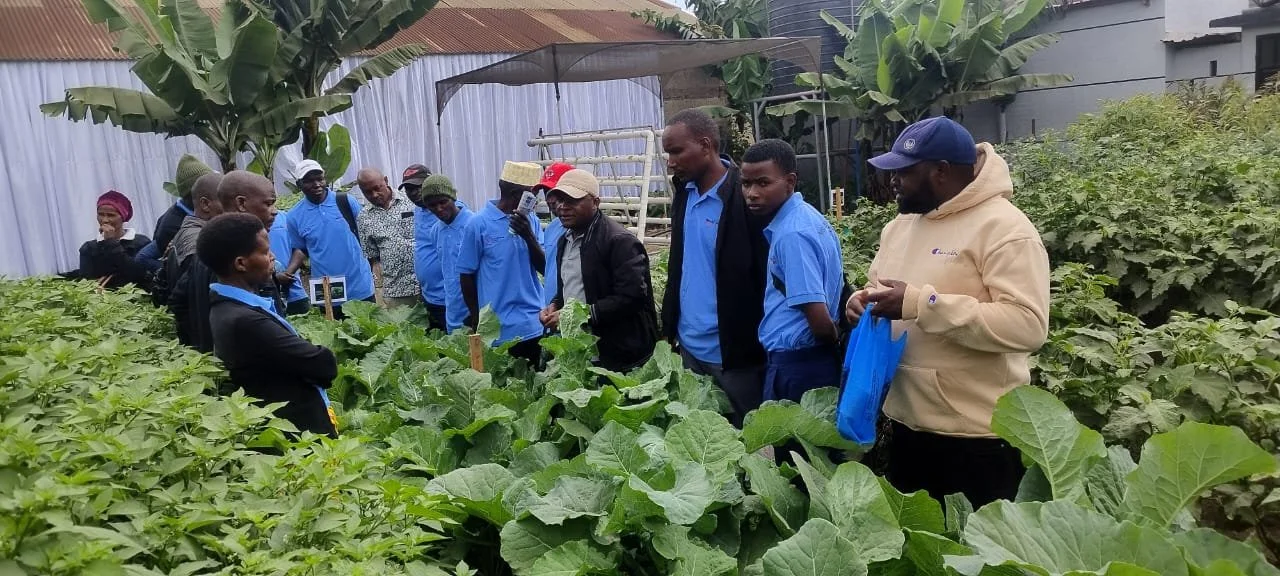
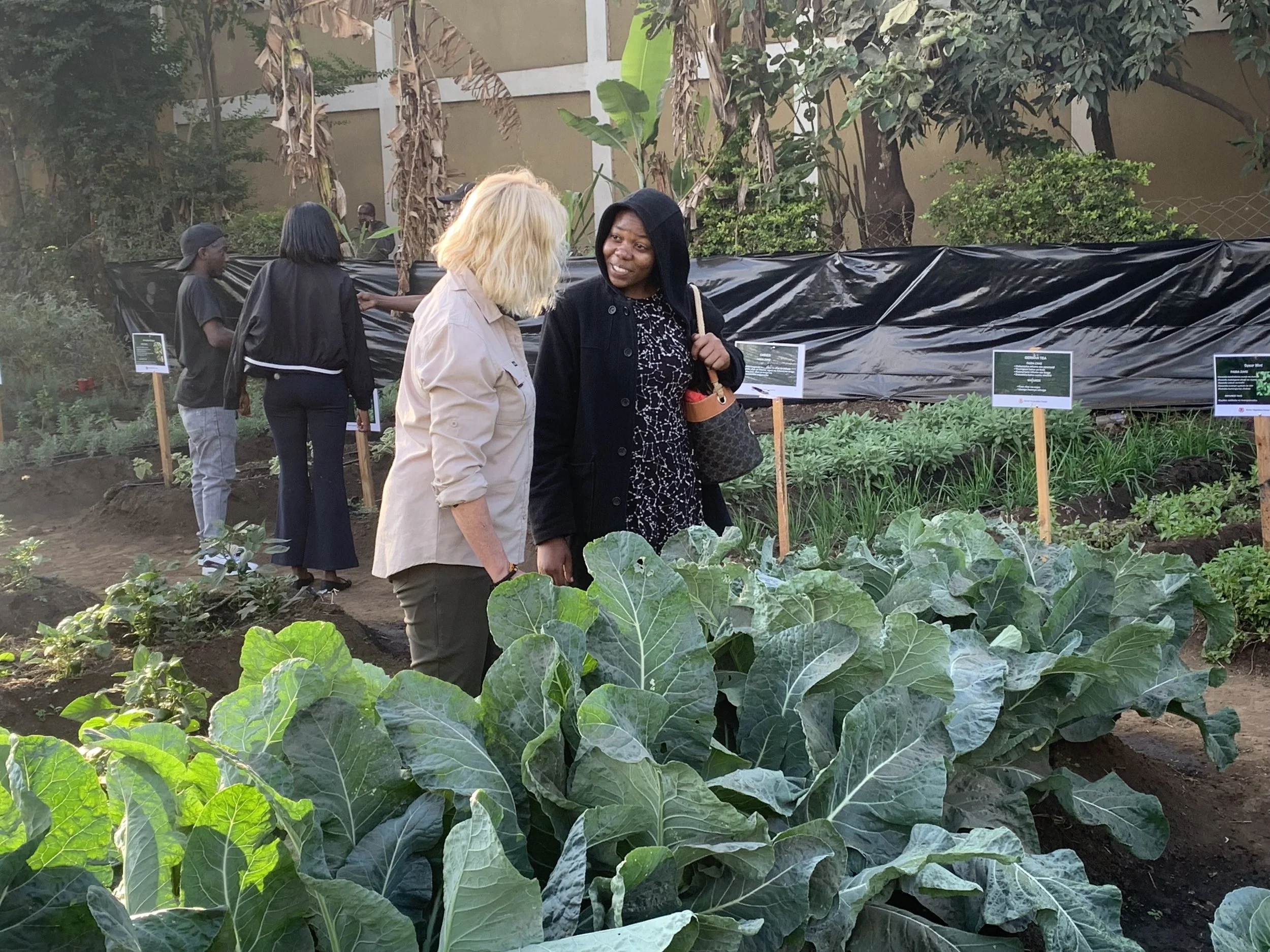
The World Vegetable Center display featured healthy crops of spider plant, amaranth, nightshade, cauliflower, lettuce and cabbage, alongside a series of hands-on demonstrations.
One demonstration focused on measuring total soluble solids (TSS) as an indicator of fruit maturity. It prompted an unexpected but important conversation with an agricultural officer working with avocado growers in Tanzania’s southern highlands.
He had never heard of measuring dry matter in avocado and explained that farmers in one region regularly received lower prices because fruit was being harvested too early. The result was watery, flavourless fruit when it eventually ripened.
“For me, that was a great example of why these simple measurements can be so useful,” Jenny said.
“It’s not just about collecting data; it’s about having a practical way to help farmers understand what is happening with their crops.”
The team also demonstrated pesticide application using water-sensitive papers placed across tomato plants. The papers made it possible to see exactly where spray was, and wasn’t, reaching.
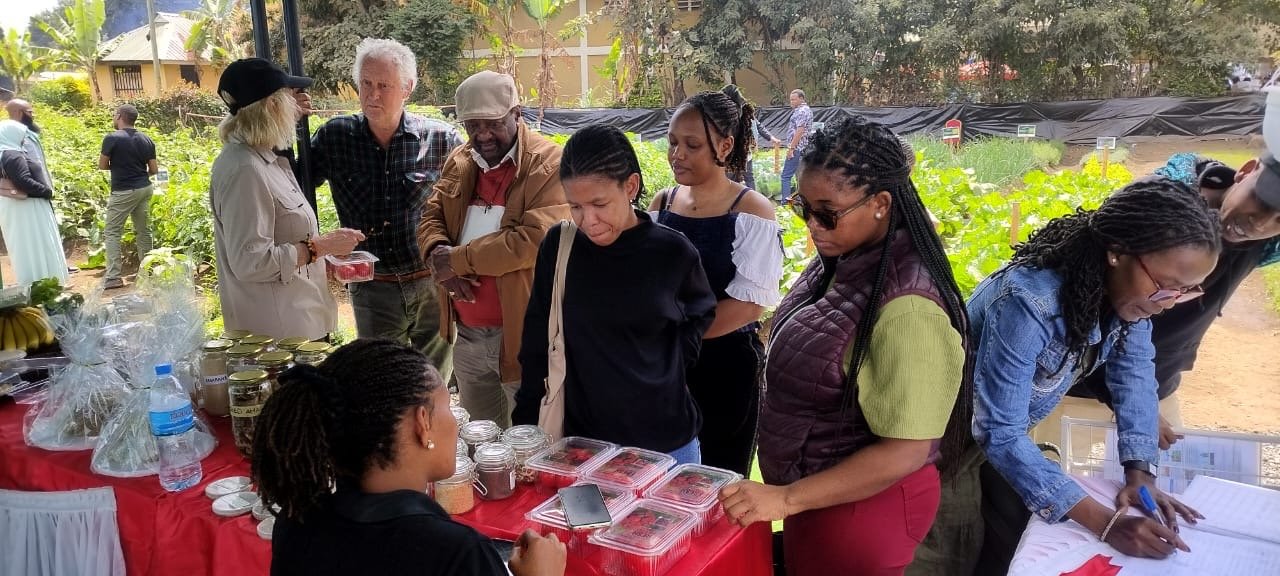
Traceability was another focus at the stand, with the team testing how consumers responded to QR codes on fresh produce.
Tomatoes were packed into clear punnets with QR codes displayed on the outside, and visitors were invited to scan the codes and complete a short questionnaire.
The activity quickly highlighted some of the practical challenges of introducing QR-based traceability. Some visitors were unfamiliar with QR codes, while others were reluctant to use their mobile data and preferred to connect to Wi-Fi first.
That feedback will help shape the next stage of the project, including packaging, labelling and the information provided to consumers when they scan a code.
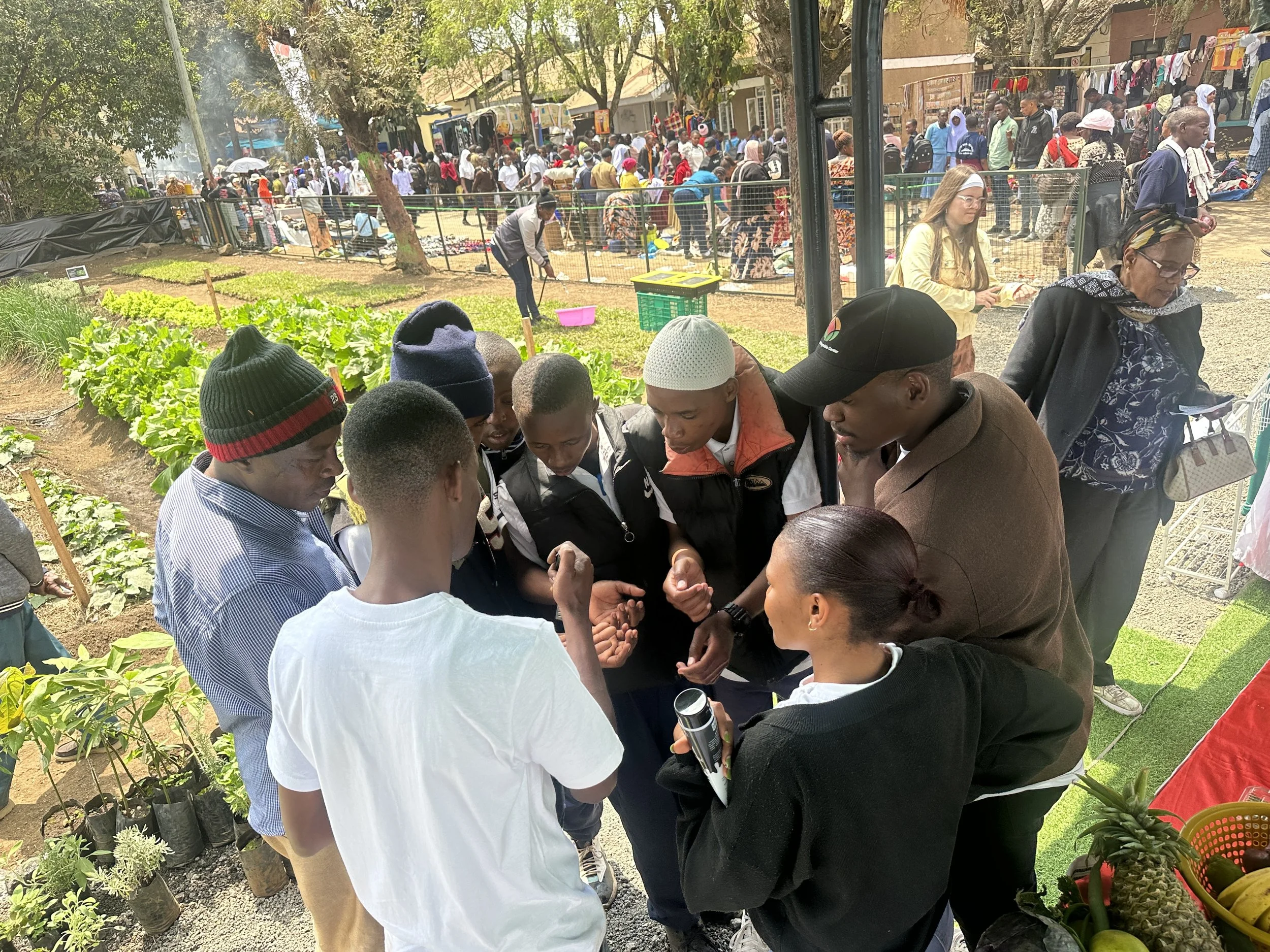
Nane Nane wasn’t just about talking to farmers. Large groups of schoolchildren visited the World Vegetable Center stand, where they could draw their favourite vegetable, plant a seedling, and take part in a ‘Glitterbug’ handwashing challenge.
The handwashing activity proved a particular hit. After washing their hands, children could see the fluorescent gel in areas they had missed, with traces often remaining under nails, between fingers and further up their wrists.
“It was fascinating to see how interested the kids were,” Jenny said.
“They could actually see what they’d missed, which made the importance of good handwashing very tangible.”
Conversations across the event also highlighted fruit flies as a major concern for farmers and others involved in vegetable production.
Even the crops themselves provided an interesting insight into what people value. At the end of the event, visitors were generally allowed to take vegetables from the displays. Nightshades were the most popular, with all of it taken, while cabbage and cauliflower were less popular. Interestingly, none of the lettuce or spider plant was taken.
Despite the jet lag, Nane Nane gave Jenny a unique opportunity to gain first-hand insight into Tanzania’s horticultural and consumer landscape/challenges.
“It’s a really useful opportunity to get out of the lab and the office and talk directly to people,” Jenny said. “You can demonstrate something, see how people respond and, importantly, learn from the questions they ask and the issues they raise.”