Using computer vision to improve baby leaf spinach damage assessment
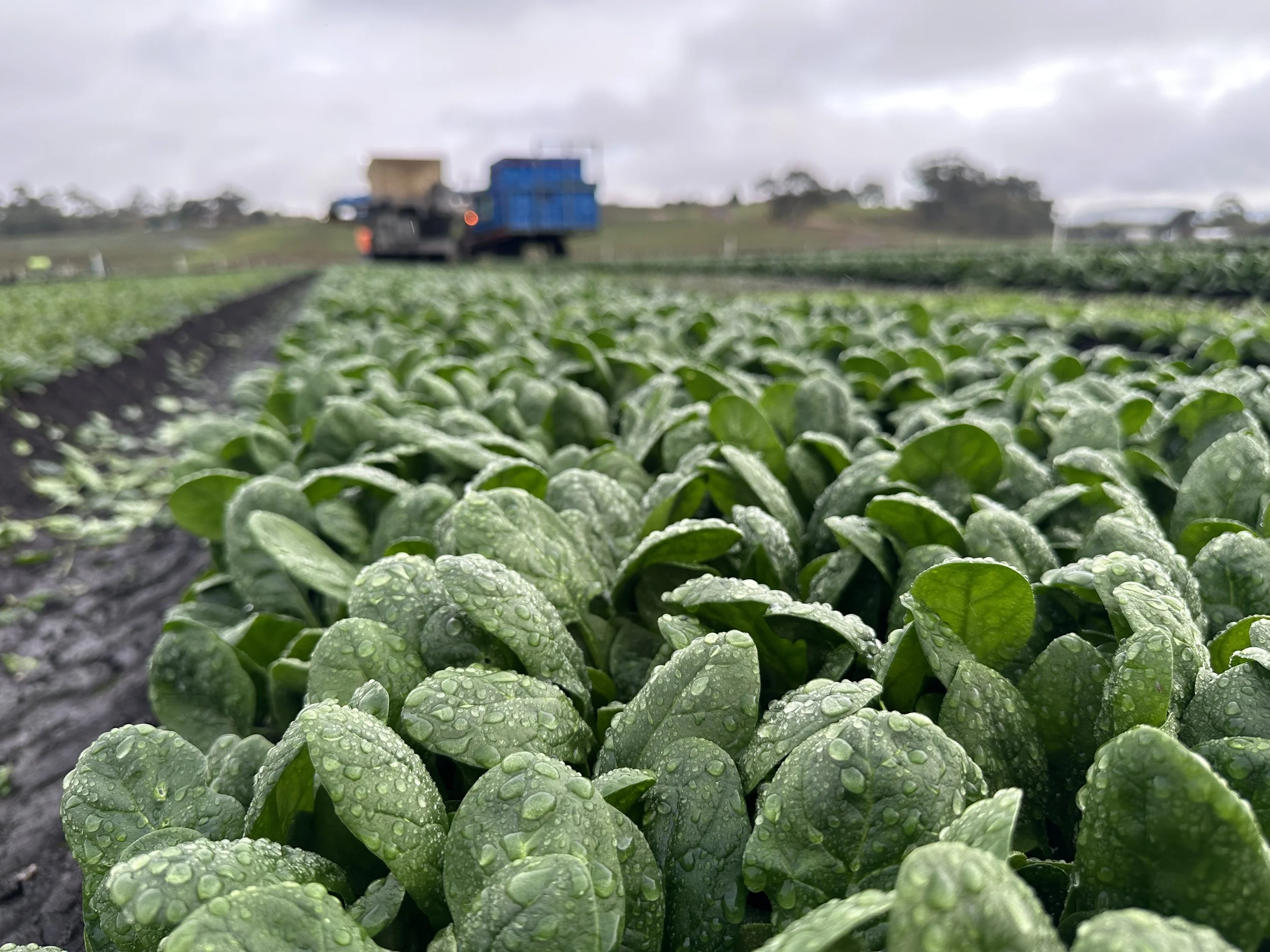
Physical damage is an important quality issue for baby leaf spinach, but assessing how much damage has occurred can be difficult to measure consistently.
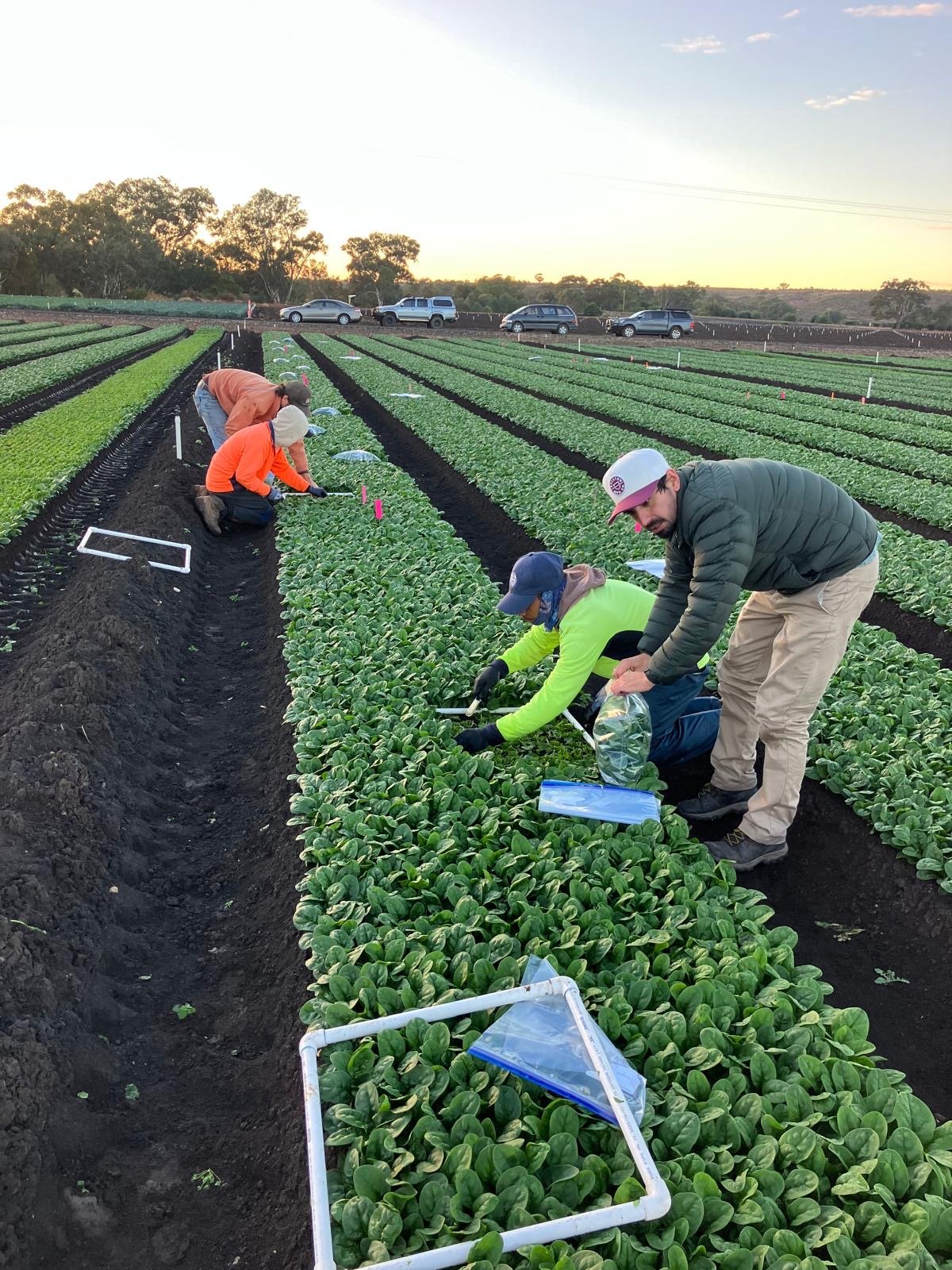
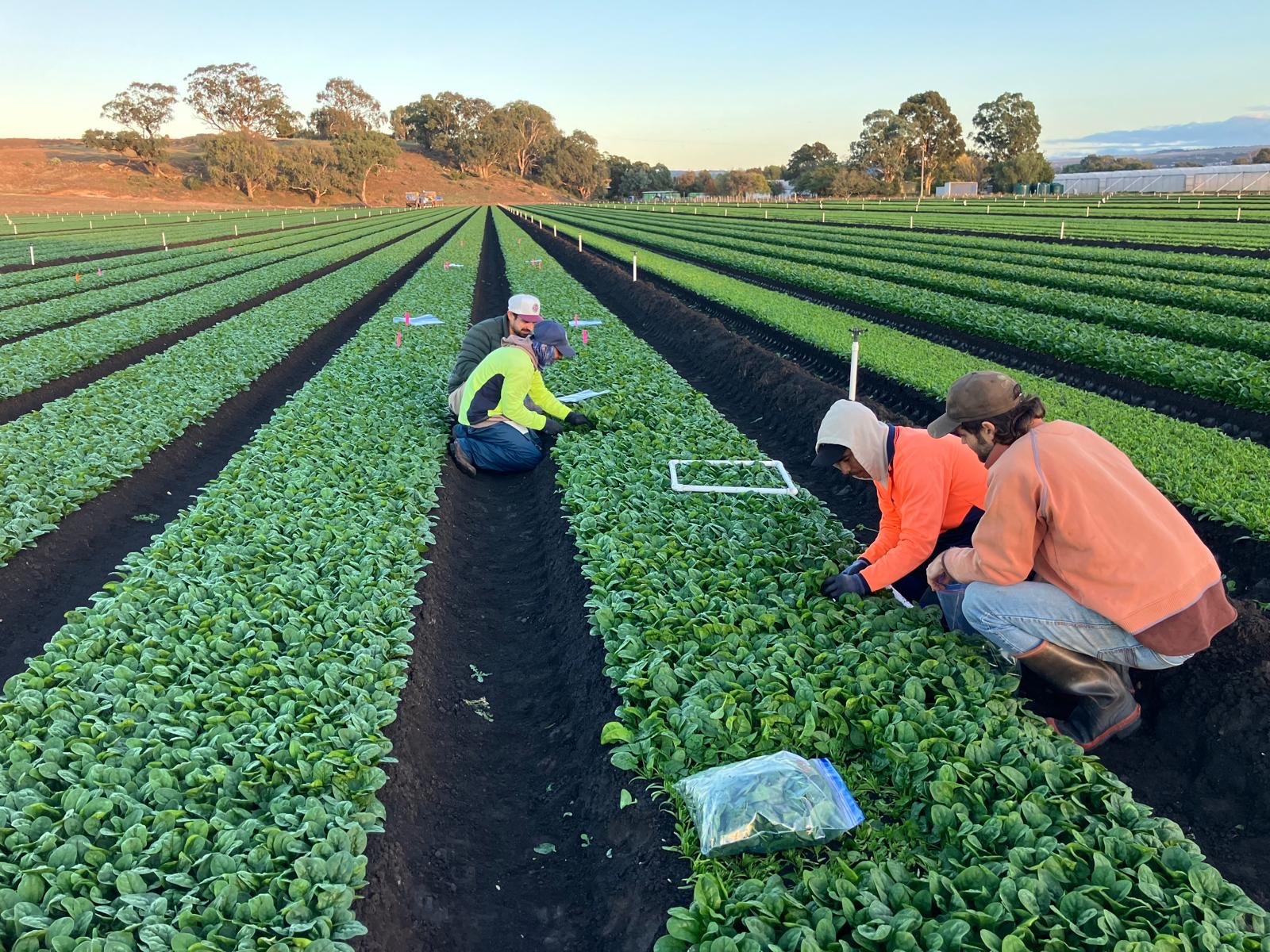
AHR, together with University of Queensland and La Trobe University, is investigating whether computer vision could provide a more objective way to assess damage at the individual leaf level.
The work forms part of the Hort Innovation levy-funded project VG23014 Addressing key challenges in Australian baby leaf production.
Measuring damage
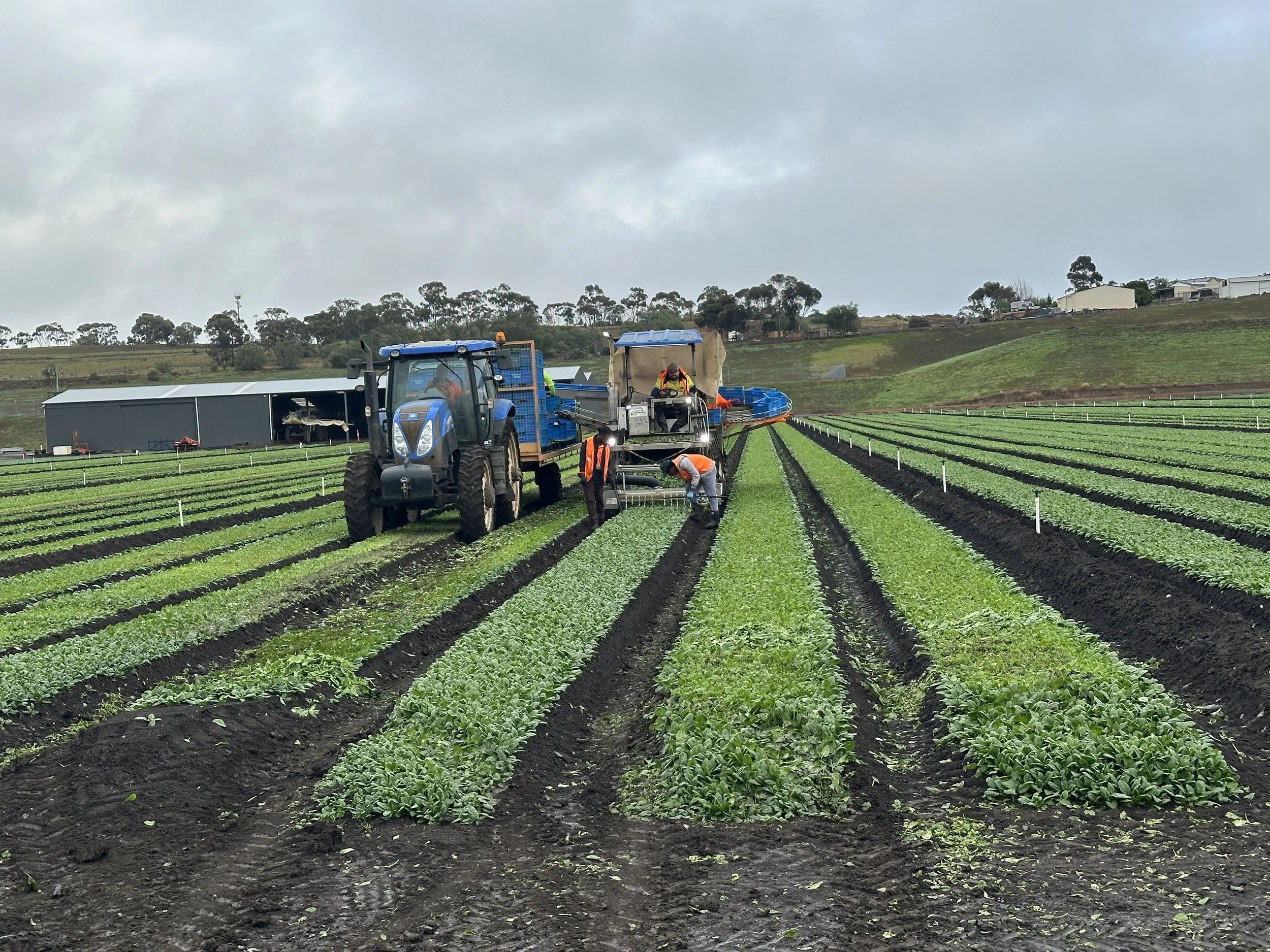
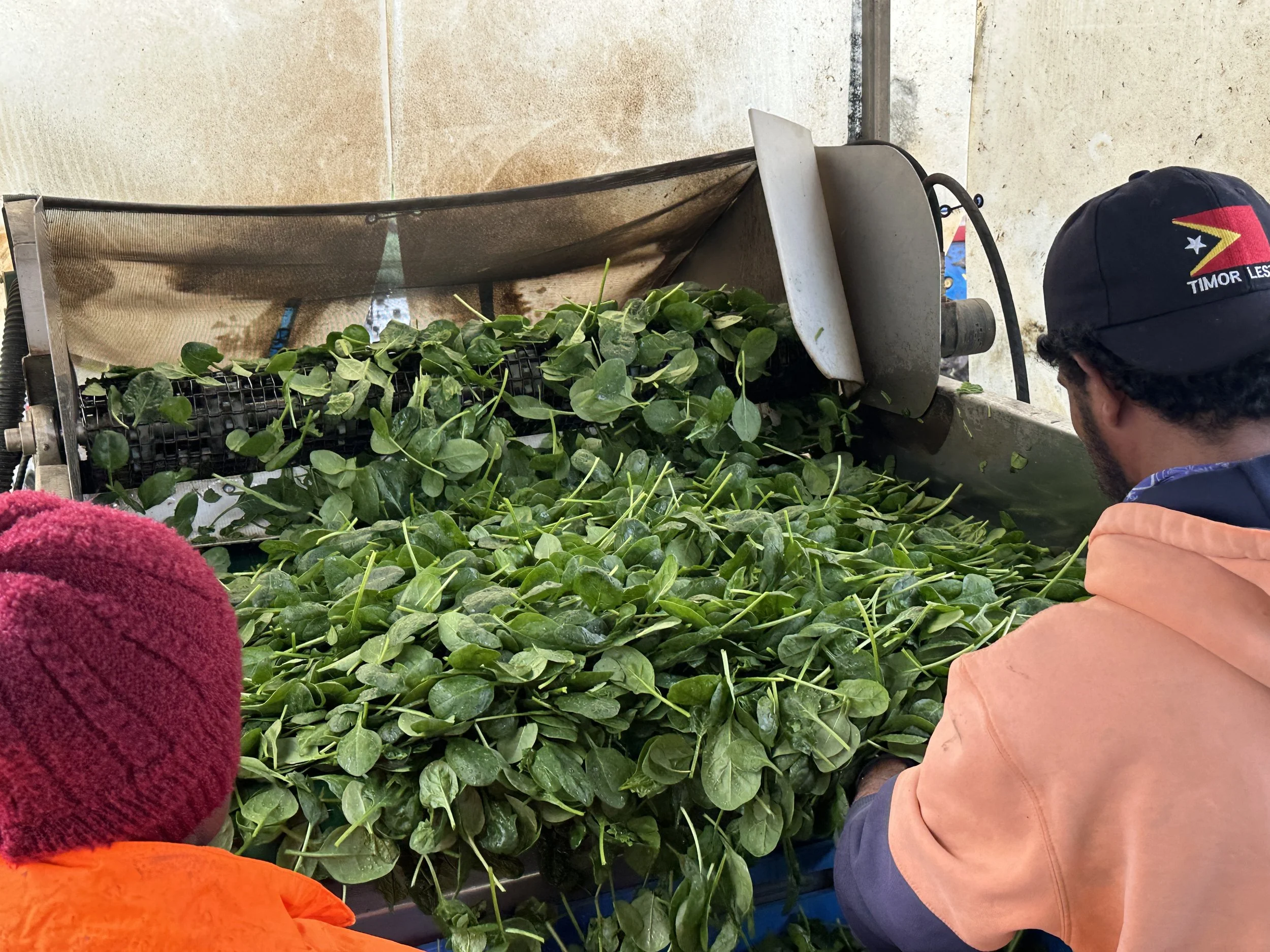
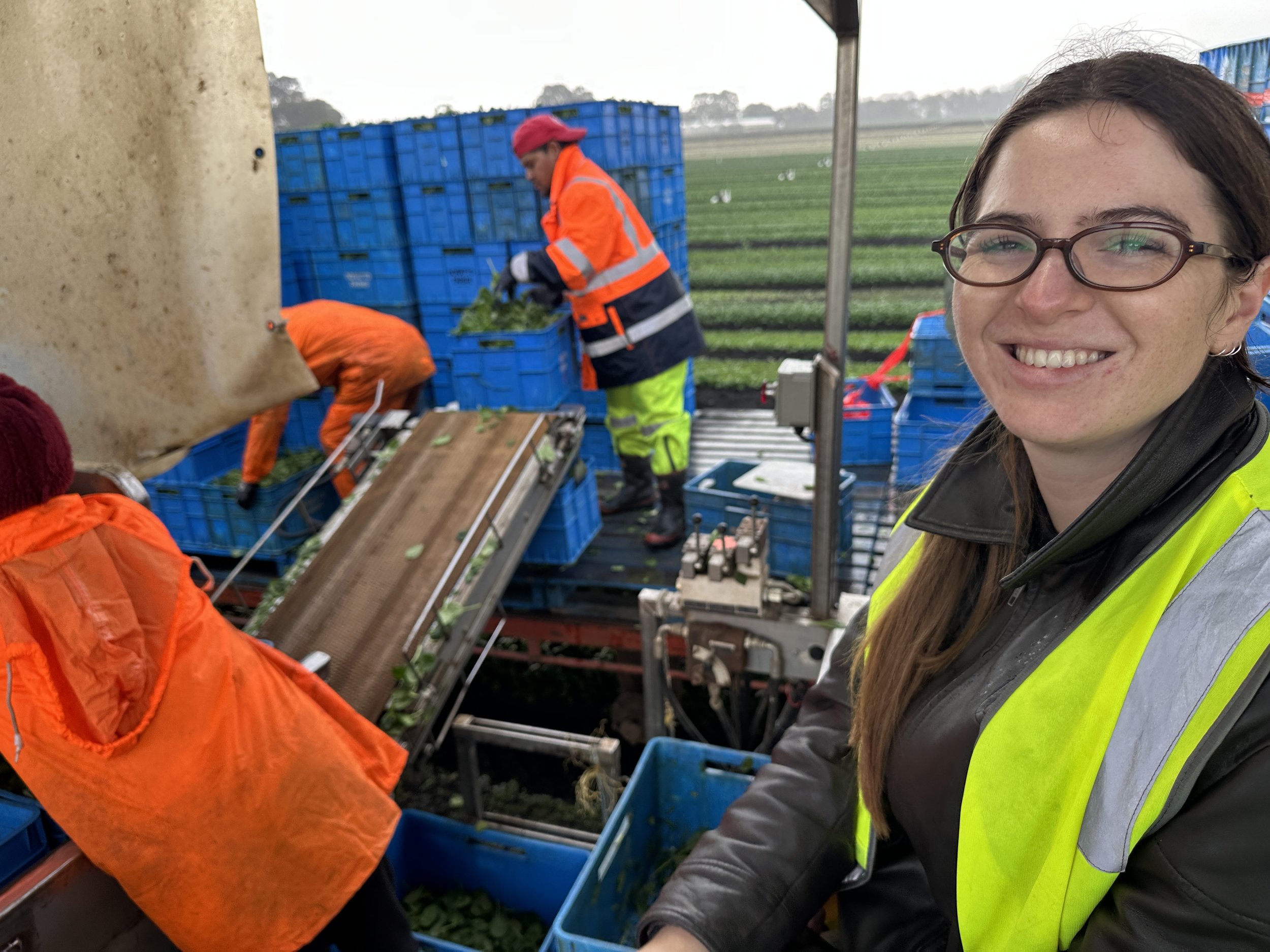
During commercial harvesting, baby leaf spinach moves rapidly through a series of transfer points as it is cut, conveyed, and collected. Each transfer creates an opportunity for bruising, crushing, tearing or breakage. Once damage has occurred, assessing its extent can be challenging. Current visual assessments rely on the judgement of an assessor and can become slow when large numbers of samples need to be examined. They also typically use broad damage categories, rather than measuring the actual area of damage on each leaf.
The team set out to develop a repeatable, leaf-level measure of damage. The computer vision model analyses an image of baby leaf spinach and estimates the percentage of each leaf that has been damaged.
The calculation is straightforward:
Leaf damage (%) = damaged area ÷ total leaf area × 100
This provides a quantitative measure that can be compared with human assessment.
The model was then tested using a dataset that it had not seen during training. The dataset contained 34 images and 1,153 leaves, with the model's predictions compared leaf by leaf against human annotations.
How accurate was it?
Using a 10 per cent damage threshold, the model achieved 80.4 per cent overall classification accuracy, correctly classifying 927 of the 1,153 leaves.
It correctly identified 80.7 per cent of leaves with less than 10 per cent damage and 80.1 per cent of leaves with 10 per cent or more damage. The model also detected the expected increase in damage during storage, with average damage increasing from 3.74 per cent to 12.98 per cent over 14 days.
What could this mean for the industry?
Computer vision could provide a more objective and repeatable approach to assessing baby leaf damage, with potential applications in processing damage assessment, product quality and shelf-life evaluation.
The technology is not yet a finished commercial tool.
The next steps include expanding the training dataset across cultivars, improving model accuracy and establishing commercially relevant damage thresholds.
The team also plans to investigate how the model could be used to compare different harvesting and processing practices.